Dorf · Co. Mayo

Killala

“The mottled church” — the village north of Ballina, historically associated with Saint Patrick, with the 12th-century round tower and the 17th-century Cathedral Church of St Patrick.

The village

Killala (Cill Ala in Irish, meaning “the mottled church”) is a village in County Mayo in Ireland, north of Ballina. The railway line from Dublin to Ballina once extended to Killala, and the old line is the village’s connection to the town to the south. To the west of Killala is the townland of Townsplots West (known locally as Enagh Beg), which contains a number of ancient forts. As of the 2016 census of Ireland, the village had a population of 562, and the village is in a civil parish of the same name.

The old church country

Killala is historically associated with Saint Patrick, and it was the seat of an episcopal see for several centuries. Evidence of Killala’s ecclesiastical past includes a 12th-century round tower and the 17th-century Cathedral Church of St Patrick — the stones of the village, and the walk through it is the walk that passes the tower and the cathedral on the way to the bay. The Roman Catholic Diocese of Killala (Alladenis in Latin) is one of the five suffragan sees of the ecclesiastical Province of Tuam, comprising the north-western part of County Mayo with the Barony of Tireragh in County Sligo — the diocese is the village’s wider country, and the see is the older history of the place.

The bay country

Killala sits at the head of Killala Bay, where the River Moy runs out to the Atlantic, and the village is the place where the bay country meets the town country. The water is the village’s front garden: the bay, the river and the headlands, and the light on the water is best in the evening. The village works as the base for the bay and the Moy valley — the walk in the morning, the bay in the afternoon.

Practical

Killala is north of Ballina, at the head of Killala Bay; the round tower and the cathedral are in the village. The village works as the base for the bay and the Moy valley — the church country in the morning, the bay in the afternoon.

Quellen & Überprüfung

🧭 Route anzeigen

Übernachten

Stay at the head of the bay

Killala puts the tower, the cathedral and the bay all within a walk — the water is the point.

  • KillalaThe village itself — guesthouses and B&Bs at the head of the bay. · in the village
  • BallinaThe town at the mouth of the Moy, a short drive south — the bigger base. · 15 min by car
See stays in Killala ↗

Aktuelle Verfügbarkeit für Ihre Reisedaten. Verfügbarkeit und Preise stammen vom Anbieter, nicht von uns.

Mehr in Mayo

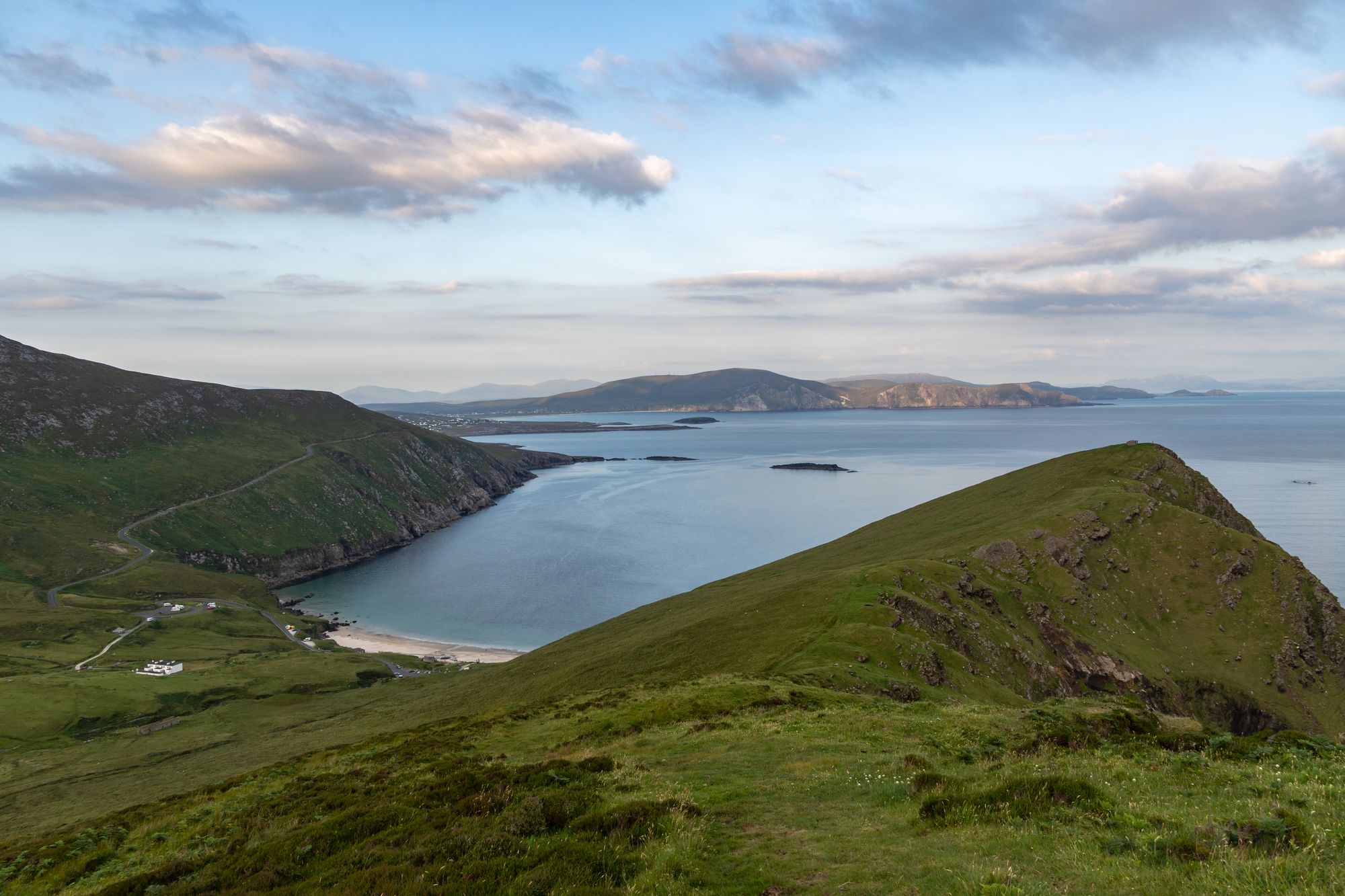
Keem Bay and the cliffs of Achill Island, County Mayo
Insel · Co. Mayo

Achill Island

The largest island off the west coast, linked to the mainland by a bridge over Achill Sound since 1887 — wild Atlantic headlands, black-pebble bays, a lighthouse with a story, and a landscape that has shaped Irish life for a thousand years.

Free to explore; a small charge at some coastal car parks.· Einplanen A full day is not enough; allow two or three days.
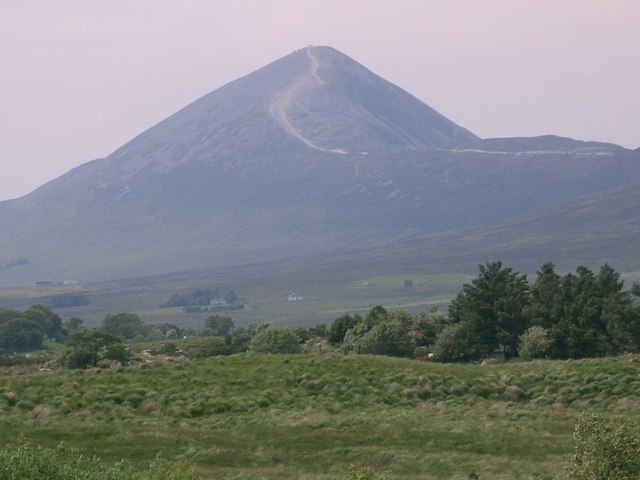
The ascent path to Croagh Patrick in County Mayo, the peak behind
Wanderung · Co. Mayo

Croagh Patrick

The 764-metre mountain near Murrisk, traditionally the place where St Patrick fasted — a broad, windswept summit and one of the great walking and pilgrimage places in the country.

Free to climb.· Einplanen 2–3 hours to the summit and back; 3–4 hours for the round.
Dorf · Co. Mayo

Ballina

“Mouth of the ford” — the town at the mouth of the River Moy near Killala Bay, with the Ox Mountains to the east and the Nephin Mountains to the west, and the Bronze Age Dolmen of the Four Maols behind the station.

The town is free to visit. No admission for the town — the dolmen is on open ground.
Dorf · Co. Mayo

Belmullet

“Mouth of the Mullet” — the coastal Gaeltacht town at the isthmus, with the two bays of Blacksod and Broadhaven linked by Carter’s Canal running through the town, and half the population able to speak Irish.

The town is free to visit. Any specific sites on the Mullet carry their own arrangements — confirm the current prices before travelling.