Achill Island
The largest island off the west coast, linked to the mainland by a bridge since 1987 — wild Atlantic headlands, black-pebble bays, a lighthouse with a story, and a landscape that has shaped Irish life for a thousand years.
12 results · page 1 of 1
The largest island off the west coast, linked to the mainland by a bridge since 1987 — wild Atlantic headlands, black-pebble bays, a lighthouse with a story, and a landscape that has shaped Irish life for a thousand years.

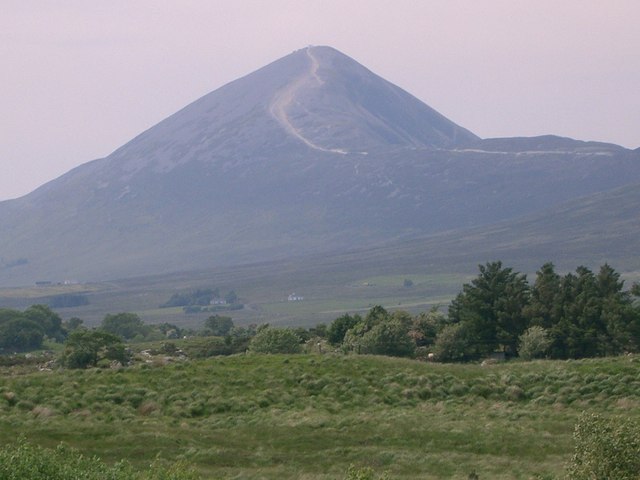
The 764-metre mountain near Murrisk, traditionally the place where St Patrick fasted — a broad, windswept summit and one of the great walking and pilgrimage places in the country.

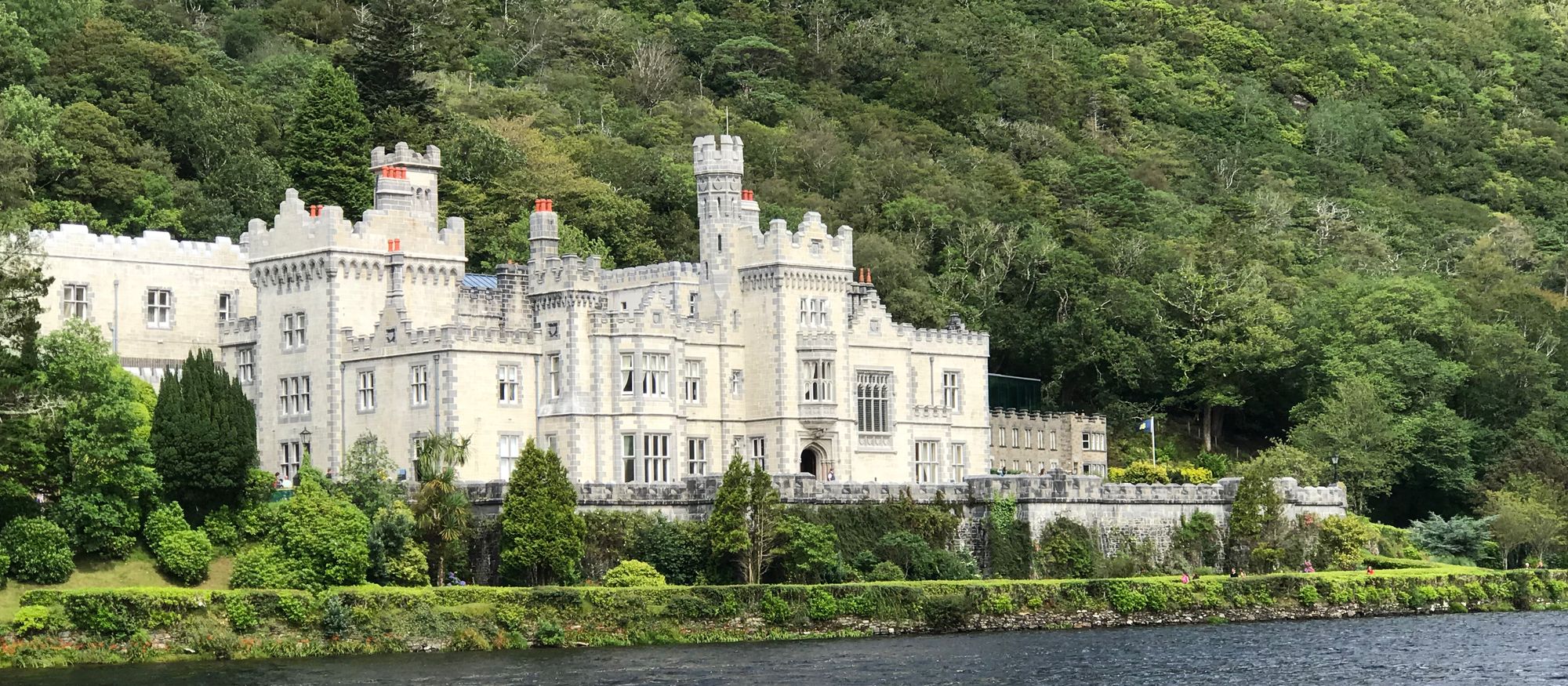
A castle turned abbey on the shore of Lough Corrib near Cong — one of the most photographed buildings in the west of Ireland, and a working monastery with a story that goes back to the 1870s.

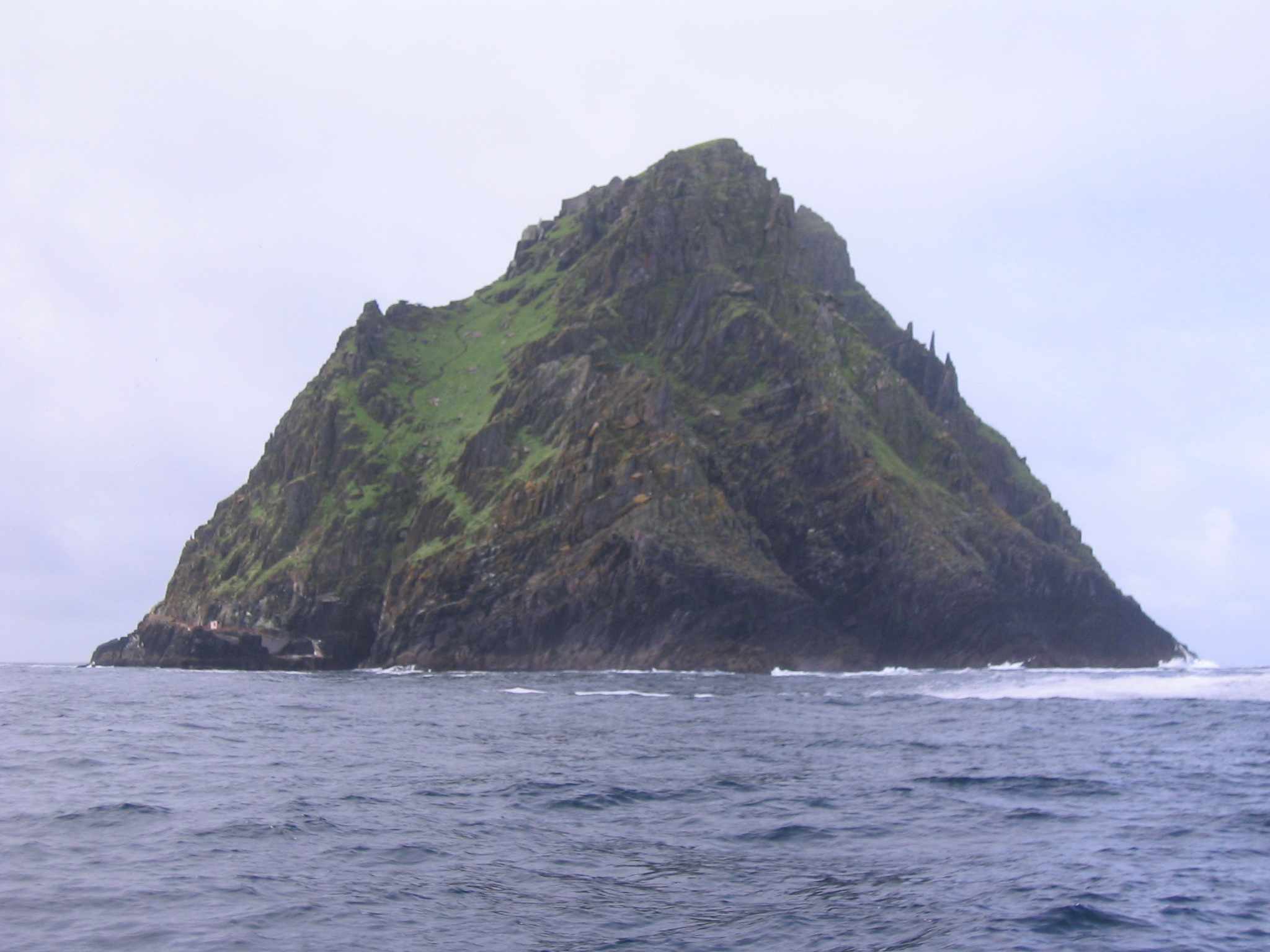
A small, steep island off the Iveragh Peninsula, home to an early Christian monastery of beehive huts — a UNESCO World Heritage Site and one of the great places in the country.

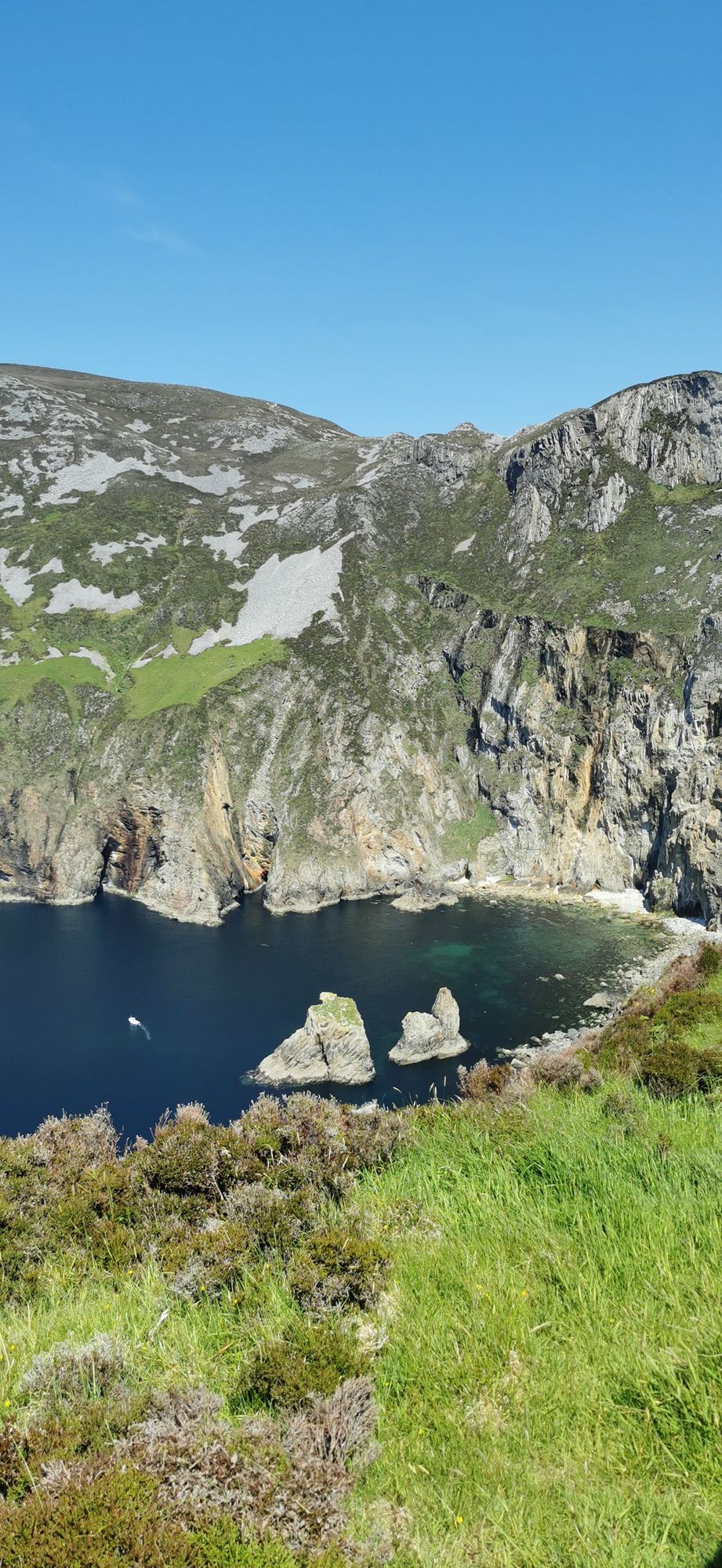
A wall of grey limestone dropping roughly 600 metres into the Atlantic on the Inishowen Peninsula — among the highest sea cliffs in Europe, and only properly seen from the foot of them.

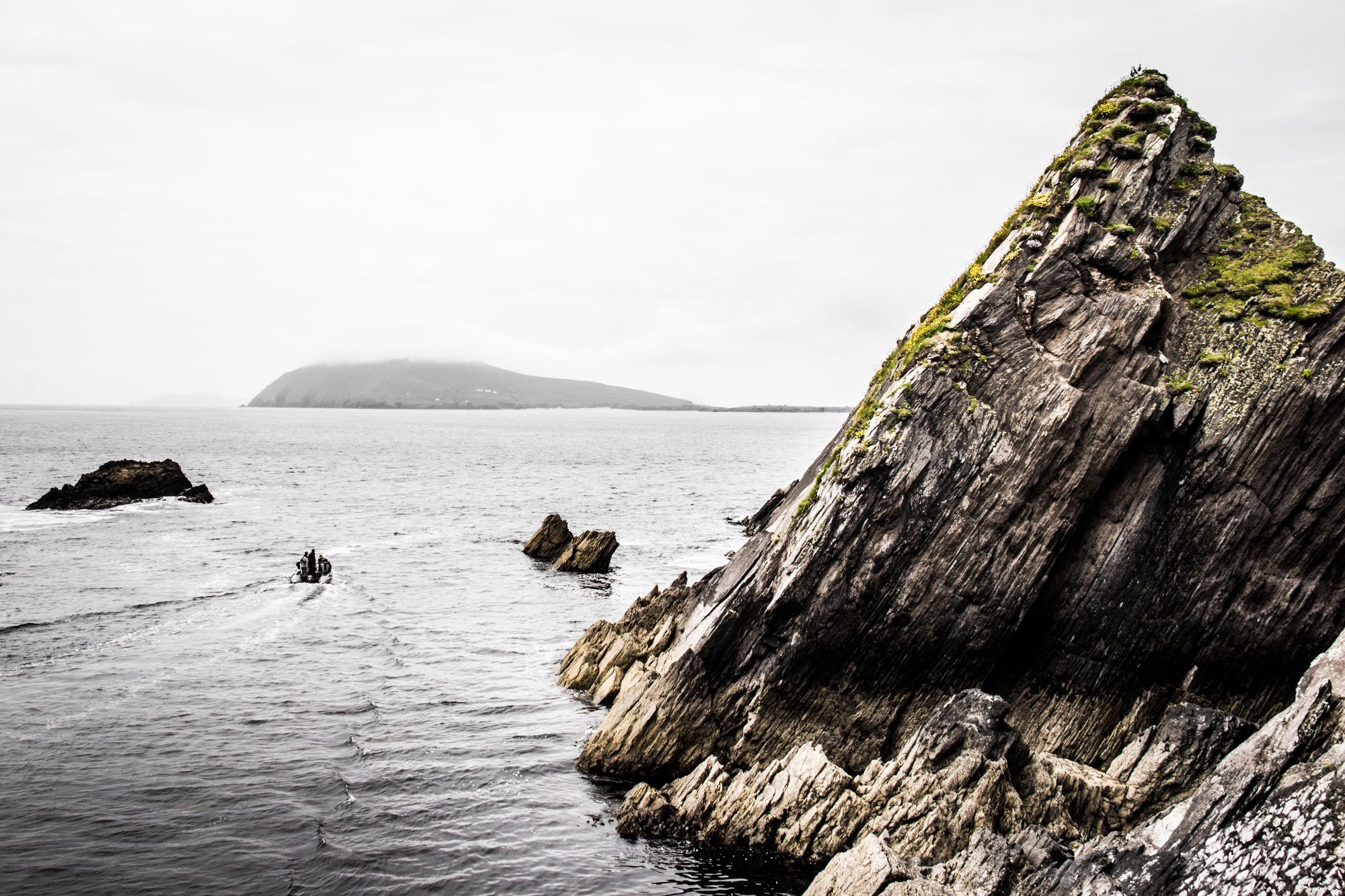
Two small islands off the Iveragh Peninsula, home to a community until 1956 — now a nature reserve and one of the most important seabird colonies in Europe.
A headland on the north coast of Sligo Bay and one of the best-known surf spots in Ireland — a place we describe here without a precise map, because the headland and its dunes are fragile and the land is not all public.
A large, remote mountain and glen country in southwest Donegal, centred on Derryveagh National Park — one of the wildest areas of lowland and mountain on the west coast.
A walled harbour town at the head of a warm little bay in south-east Cork — the southern end of the Wild Atlantic Way, and one of the best food towns in the country.
The northwestern tip of mainland Ireland, where the Wild Atlantic Way starts — a lighthouse, a tenth-century cross, and the widest view of two seas you will get on this coast.
A 15,000-hectare karst landscape in north Clare — a plain of limestone and dry stone walls, a UNESCO Global Geopark, and one of the great walking places in the country.

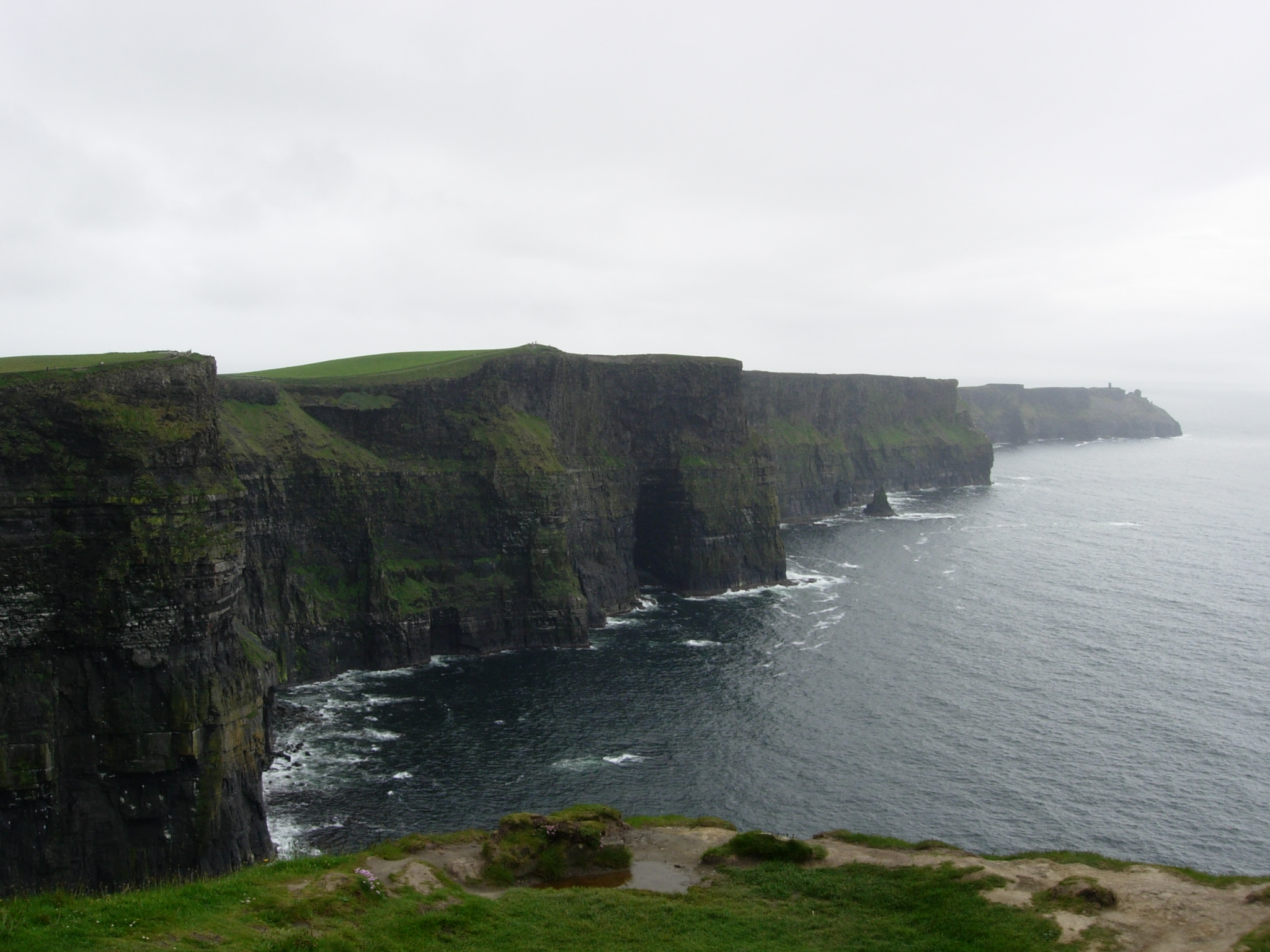
Two kilometres of cliff falling up to 214 metres into the Atlantic, above the village of Doolin — the most visited natural site in the country, and still worth going to, if you know how.